 Revcodex
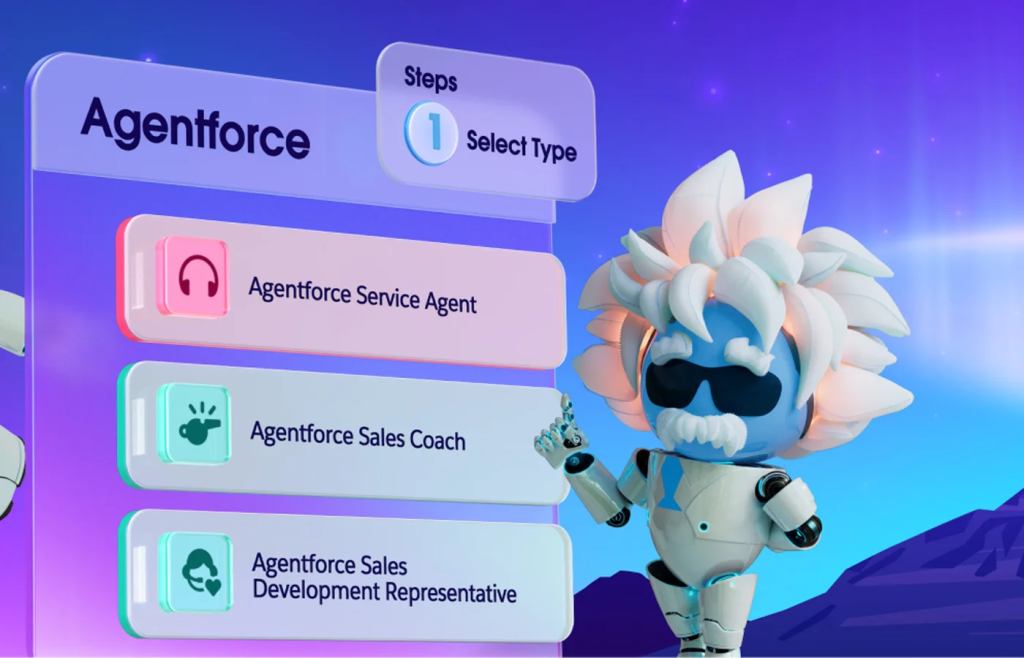
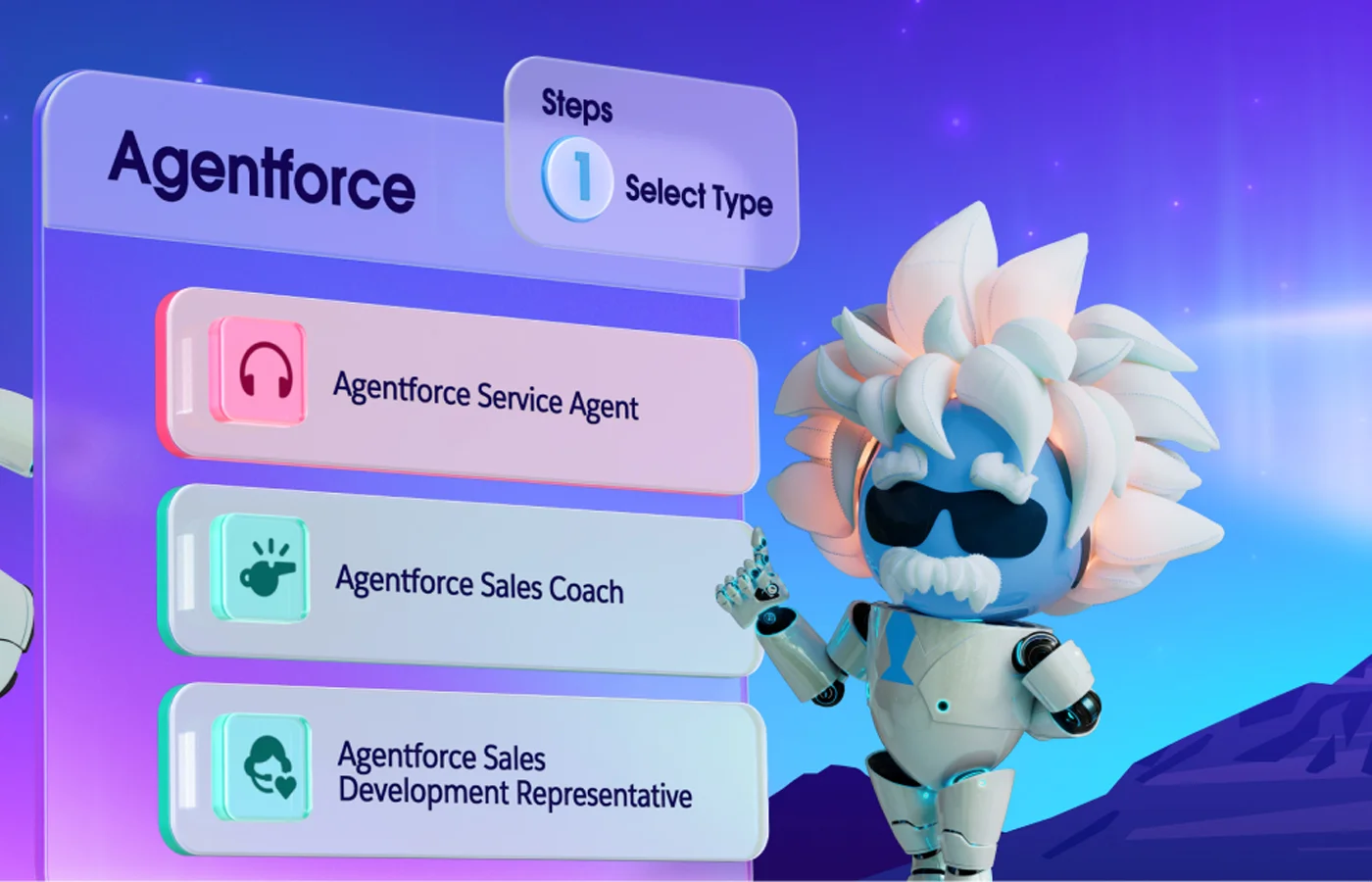
Sales teams today are expected to respond faster, manage larger pipelines, personalize customer interactions, and close opportunities efficiently. At the same time, sales representatives spend significant time on repetitive activities such as prospect research, lead qualification, follow-ups, meeting preparation, CRM updates, and sales administration. Salesforce Agentforce is designed to help sales organizations use AI agents alongside human sellers, allowing teams to automate and assist with many of these activities while keeping sales professionals focused on customer relationships and revenue-generating conversations. Salesforce describes Agentforce Sales capabilities across areas such as prospecting, engagement, pipeline management, account management, quoting, and Sales Coach.
For businesses exploring Salesforce Agentforce in USA, Agentforce Services in USA, Salesforce Agentforce Services in USA, or Agentforce Consulting in USA, the important question is not simply whether AI can be added to a CRM. The real question is how Agentforce can be configured around an organization’s sales process, customer data, business rules, and objectives. At Revcodex, businesses can approach Agentforce as a strategic Salesforce solution that connects AI capabilities with existing sales workflows, helping organizations plan, configure, customize, integrate, test, and optimize their Agentforce implementation.
What Is Salesforce Agentforce for Sales?
Salesforce Agentforce is an agent-driven layer of the Salesforce platform that enables organizations to build and deploy AI agents for different business processes. Salesforce’s current sales offering includes agents and capabilities designed to support activities across the sales cycle. These can include prospect research, lead engagement, pipeline management, account management, quoting, and sales coaching.
Unlike a traditional automation workflow that simply follows predefined steps, Agentforce is designed to work with business context, data, instructions, and actions. Depending on the configuration and use case, an agent can interpret information, perform supported tasks, provide recommendations, communicate with prospects, or hand work back to human sales representatives.
This makes Agentforce particularly interesting for sales organizations that want to increase their operational capacity without expecting salespeople to manually handle every repetitive activity.
Why Are Sales Teams Exploring Agentforce?
Modern sales organizations often have more customer and prospect information than their teams can practically review manually. CRM records, emails, meetings, account information, opportunity details, product information, and other business data can become difficult to manage at scale.
Agentforce can help bring relevant information into sales workflows and automate selected activities. Salesforce explains that its sales agents can work alongside sellers to research leads, summarize opportunities, draft outreach, nurture prospects, prepare account information, and support other stages of the sales process.
The goal is not necessarily to replace sales representatives. Instead, Agentforce can take responsibility for suitable digital tasks while human sellers concentrate on activities that require judgment, relationship building, negotiation, empathy, and strategic decision-making.
Agentforce Prospecting for Sales Teams
Prospecting is one of the areas where sales representatives can spend substantial amounts of time. Researching accounts, identifying relevant contacts, reviewing previous interactions, and preparing outreach can all take significant effort.
Agentforce Sales includes prospecting capabilities designed to research CRM signals and other available information, prioritize accounts and contacts, and provide context that can help sellers determine where to focus their attention. Salesforce’s current documentation describes Prospecting Agent capabilities that can analyze customer data and research context to help prioritize opportunities and reduce manual research.
For a sales organization, this can change the way prospecting is approached. Instead of beginning every morning by manually sorting through large lists, salespeople can receive more contextual information about which prospects may deserve attention and why.
The effectiveness of this approach depends heavily on data quality, configuration, permissions, business rules, and the quality of the information available to the agent. This is why professional implementation and consulting can be important.
Agentforce for Lead Engagement and Nurturing
Not every lead is ready to speak with a salesperson immediately. Some prospects need additional information, follow-up, or time before becoming sales-ready. Manual lead nurturing can become difficult when sales teams have large volumes of prospects.
Agentforce can support engagement workflows by interacting with prospects, answering relevant questions, capturing lead information, helping schedule meetings, and handing qualified opportunities to sales representatives. Salesforce documentation describes Agentforce Engagement capabilities that can capture website visitors as leads and support lead nurturing through configured agent experiences.
For businesses, this can help reduce the number of leads that receive no follow-up simply because sales representatives do not have enough time. It can also create a more consistent process for initial engagement.
However, businesses should define carefully what the agent is allowed to communicate, which information it can access, and when a conversation should be transferred to a human representative.
Agentforce for Sales Management
Sales managers need visibility into pipeline activity, opportunity progress, sales performance, and potential risks. Much of this information already exists within Salesforce, but collecting and interpreting it manually can still take time.
Agentforce can assist with sales management by helping teams interact with CRM information, update records, surface suggestions, and support sales workflows. Salesforce describes Agentforce Sales Management as a way to assist sellers throughout the sales process and automate time-consuming activities such as record updates.
A properly designed implementation can help sales managers spend less time searching for information and more time coaching their teams, reviewing important opportunities, and making strategic decisions.
Agentforce Sales Coach
Sales coaching is another important Agentforce use case. Sales representatives may need help preparing for difficult conversations, handling objections, or improving their approach to specific opportunities.
Salesforce’s Sales Coach capability is designed to provide personalized feedback and coaching based on sales context. It can help representatives prepare for conversations and practice through interactive scenarios.
This can be especially useful for organizations with large sales teams where managers cannot provide individual coaching to every representative at every stage of the sales cycle.
An AI coach should not replace experienced sales leadership. Instead, it can supplement coaching by providing additional practice, preparation, and feedback that representatives can access when needed.
Agentforce for Account Management
Account management often requires sales representatives to understand a customer’s history, business priorities, previous interactions, current opportunities, and potential expansion opportunities.
Agentforce can assist with account research and meeting preparation by bringing relevant information together. Salesforce states that its account management capabilities can support account research, strategic points of view, meeting preparation, and account-plan updates.
For account executives and sales leaders, having contextual information available before a customer meeting can improve preparation and help conversations become more relevant.
Agentforce and Sales Pipeline Management
A healthy pipeline requires continuous monitoring. Sales representatives need to know which opportunities are progressing, which deals require attention, and where potential risks exist.
Agentforce can support pipeline management by helping sellers interact with opportunity data, identify relevant information, and complete selected administrative tasks. The broader objective is to reduce manual CRM work while helping sales teams maintain better visibility into their pipeline.
However, businesses should avoid automating everything simply because automation is available. The most effective approach is usually to identify repetitive activities where AI can create measurable value while keeping important approvals and high-impact decisions under appropriate human control.
Agentforce for Quoting
Quoting can become complicated when products, pricing rules, configurations, discounts, and approvals need to be considered. Delays in creating or updating quotes can slow down the sales process.
Salesforce includes quoting among its Agentforce Sales use cases, with resources focused on helping teams create quotes and streamline quoting workflows.
For businesses, Agentforce can potentially help reduce administrative work around quoting when it is connected to the appropriate Salesforce data and business processes. The exact capabilities depend on the Salesforce products, licensing, configuration, integrations, and business requirements involved.
What Are Agentforce Services?
Agentforce Services in USA can include the professional activities required to plan, implement, configure, customize, integrate, test, deploy, and optimize Agentforce for a specific organization.
Agentforce is not a one-size-fits-all solution. Two companies may use Salesforce for completely different sales processes, data structures, approval requirements, and customer journeys. Therefore, an effective Agentforce project begins by understanding the business before configuring the technology.
A service provider may help with use-case discovery, Salesforce org assessment, agent design, data grounding, workflow configuration, integrations, testing, user adoption, monitoring, and optimization.
Salesforce itself recommends a structured path that includes planning the solution, setting up the Salesforce environment, building the agent, testing it, deploying it, and monitoring performance.
Salesforce Agentforce Services in USA: What Businesses Need
Companies looking for Salesforce Agentforce Services in USA should consider whether a provider can support both technical implementation and business strategy.
A strong implementation should begin with the sales problems the organization wants to solve. For example, a company may want to improve lead response, reduce prospect research time, automate repetitive CRM updates, improve account preparation, or provide sales coaching.
Once the use cases are identified, the implementation team can determine what data the agent needs, what actions it should perform, what information it should not access, when humans should be involved, and how success will be measured.
This business-first approach can help prevent organizations from implementing AI merely for the sake of adopting new technology.
Agentforce Consulting in USA
Agentforce Consulting in USA can be particularly valuable for companies that are still determining where AI agents fit within their Salesforce environment.
Consulting may involve reviewing the existing Salesforce architecture, identifying suitable use cases, evaluating data quality, mapping business processes, defining agent responsibilities, and developing an implementation roadmap.
A consultant can also help organizations distinguish between processes that are appropriate for autonomous agents and processes that should remain human-led. This distinction matters because not every sales activity should be automated.
For example, an agent may be appropriate for researching prospects or preparing information, while complex negotiations, sensitive customer conversations, or strategic commercial decisions may require human involvement.
Agentforce Implementation Process
A successful Agentforce implementation generally begins with discovery. The business identifies its sales objectives, existing workflows, customer data, pain points, and desired outcomes.
The next stage is solution design. This involves determining which Agentforce capabilities are appropriate, defining agent responsibilities, identifying data sources, configuring instructions and actions, and considering integrations.
Testing is another critical stage. Salesforce provides Agentforce testing resources as part of its implementation path, emphasizing the importance of testing agents before deployment.
After testing, the agent can be deployed to the appropriate users or channels, followed by ongoing monitoring and optimization. Agent behavior should be reviewed over time because business processes, customer expectations, Salesforce features, and organizational requirements can change.
Data Quality Matters for Agentforce
AI agents can only be as useful as the business context available to them. If CRM records are incomplete, outdated, inconsistent, or poorly structured, the quality of agent responses and recommendations can be affected.
Before implementing Agentforce, businesses should review their Salesforce data. This can include duplicate records, incomplete contact information, inconsistent account details, outdated opportunities, missing product information, and unclear ownership.
Salesforce highlights the role of trusted data and business context in Agentforce, including its integration with Data 360 and Customer 360 capabilities.
Therefore, Agentforce projects can also be an opportunity to improve broader CRM data practices.
Security, Governance, and Human Oversight
AI adoption in sales requires appropriate governance. Businesses should determine what information agents can access, which actions they can take, and when human approval is required.
Salesforce describes Agentforce as including security, privacy, compliance, and governance capabilities within its broader platform approach.
Organizations should still establish their own internal policies around AI usage, data access, approvals, monitoring, and escalation. Human oversight can be especially important when agents interact directly with prospects or customers.
The objective should be to create an AI-assisted sales environment that is useful, controlled, transparent, and aligned with business policies.
Measuring Agentforce Success
Businesses should define measurable goals before implementing Agentforce. Possible metrics may include lead response time, qualified meetings, prospecting efficiency, sales administrative time, opportunity progression, quote turnaround, CRM data completeness, or sales representative productivity.
The right metrics depend on the use case. A prospecting agent may be evaluated differently from a Sales Coach or quoting workflow.
Rather than measuring success only by the number of AI interactions, companies should focus on business outcomes. The central question should be whether Agentforce is helping salespeople work more effectively and whether the organization is generating measurable operational or revenue-related improvements.
Why Choose Revcodex for Agentforce Services?
Revcodex helps businesses explore Salesforce solutions with a focus on practical implementation and business requirements. For organizations considering Salesforce Agentforce in USA, the objective is to connect AI capabilities with real sales processes rather than treating Agentforce as a standalone technology.
Our approach can support businesses through Agentforce consulting, implementation planning, customization, integration, testing, and optimization. The exact solution can be aligned with the organization’s Salesforce environment, sales workflows, data structure, users, and business goals.
Whether a company is beginning its Agentforce journey or looking to improve an existing implementation, Revcodex can help identify suitable use cases and develop a structured approach to adoption.
The Future of AI-Powered Sales Teams
Sales is moving toward a model where humans and AI agents work together. Salesforce’s current Agentforce Sales direction reflects this shift, with agents supporting activities such as prospecting, lead engagement, account management, pipeline work, quoting, and sales coaching.
The future is unlikely to be about simply replacing salespeople with AI. Instead, successful organizations are likely to focus on combining human strengths with digital assistance. AI agents can handle repetitive and information-heavy tasks, while sales professionals focus on relationships, creativity, strategic thinking, negotiation, and closing important opportunities.
This human-and-agent model can give sales organizations new ways to scale their operations while maintaining the value of human interaction.
Conclusion
Salesforce Agentforce in USA is becoming an important consideration for businesses looking to modernize sales operations with AI agents. From prospecting and lead nurturing to pipeline management, account research, quoting, and sales coaching, Agentforce can support multiple stages of the sales journey. Salesforce’s current Agentforce Sales portfolio provides prebuilt use cases across prospecting, engagement, pipeline management, account management, quoting, and Sales Coach.
However, successful adoption depends on more than activating an AI feature. Businesses need clear use cases, reliable Salesforce data, appropriate configuration, strong governance, testing, user adoption, and ongoing optimization. This is where Agentforce Services in USA, Salesforce Agentforce Services in USA, and Agentforce Consulting in USA can provide strategic value.
For organizations ready to explore AI-powered sales workflows, Revcodex can help turn Agentforce capabilities into practical business solutions. By combining Salesforce expertise with a clear understanding of sales processes, businesses can create an environment where AI agents handle appropriate repetitive work while sales professionals remain focused on customers, relationships, and revenue growth.
FAQs
1. What is Salesforce Agentforce for sales teams?
Salesforce Agentforce is an AI agent platform that can support sales teams across activities such as prospecting, lead engagement, pipeline management, account management, quoting, and sales coaching. Agents can work with Salesforce data and configured business processes to assist sellers, automate suitable tasks, and provide contextual information throughout the sales cycle.
2. What are Agentforce Services in the USA?
Agentforce Services in USA can include consulting, implementation, configuration, customization, integration, testing, deployment, monitoring, and optimization of Agentforce solutions. A professional services provider can help a business identify suitable AI use cases, connect agents with appropriate Salesforce data, define workflows, establish governance, and align the implementation with specific sales objectives.
3. Why do businesses need Agentforce Consulting in USA?
Agentforce Consulting in USA can help organizations determine where AI agents can provide meaningful business value before implementation. Consultants can evaluate Salesforce architecture, sales workflows, data quality, automation opportunities, security requirements, and user needs. This helps businesses create an Agentforce roadmap based on measurable objectives rather than adopting AI without a defined purpose.
4. Can Agentforce help with sales prospecting?
Yes. Agentforce Sales includes prospecting capabilities designed to research accounts and contacts, use available customer and research context, prioritize prospects, and support personalized outreach. Salesforce documentation describes Prospecting Agent functionality intended to reduce manual research and help sellers focus on promising accounts and contacts.
5. Can Agentforce automate lead nurturing?
Agentforce can support lead engagement and nurturing workflows. Salesforce describes Engagement capabilities that can capture leads, answer questions, nurture prospects, schedule meetings, and hand qualified leads to sales representatives. The exact behavior depends on the configured agent, available data, Salesforce setup, and business requirements.
6. Is Agentforce designed to replace sales representatives?
Agentforce is designed to work alongside sales representatives rather than simply eliminate the human sales role. AI agents can handle suitable repetitive and information-heavy tasks, while salespeople can focus on relationship building, strategic conversations, negotiation, and closing deals. Salesforce describes this model as AI agents working alongside sellers as a digital workforce.
7. What does a Salesforce Agentforce implementation involve?
An implementation can involve business discovery, use-case selection, solution architecture, data preparation, agent configuration, action and workflow setup, integrations, testing, deployment, user training, monitoring, and optimization. Salesforce’s implementation guidance follows a similar journey from planning and setup through building, testing, deployment, and monitoring.
8. How can Revcodex help with Salesforce Agentforce?
Revcodex can help businesses evaluate and implement Agentforce according to their sales processes and Salesforce environment. Services can include Agentforce Consulting in USA, implementation planning, customization, integration, testing, optimization, and ongoing support. The focus is on identifying practical AI use cases and connecting Agentforce capabilities with measurable business objectives.

